November 10, 2026
Physical therapy is an often underappreciated aspect of healthcare that offers a wide range of benefits for individuals of all ages and backgrounds. This article explores the compelling reasons why you should consider choosing physical therapy as part of your health and wellness journey. With a personalized approach focused on treating a multitude of physical ailments, physical therapy can lead to a substantial improvement in daily life. Its role extends beyond healing physical injuries, embedding itself as a crucial component of preventive healthcare and overall well-being. Millions around the world have reaped the rewards, yet many are still unaware of its full potential and scope.
1. Speed Up Recovery from Injury
1.1 Personalized Recovery Plans
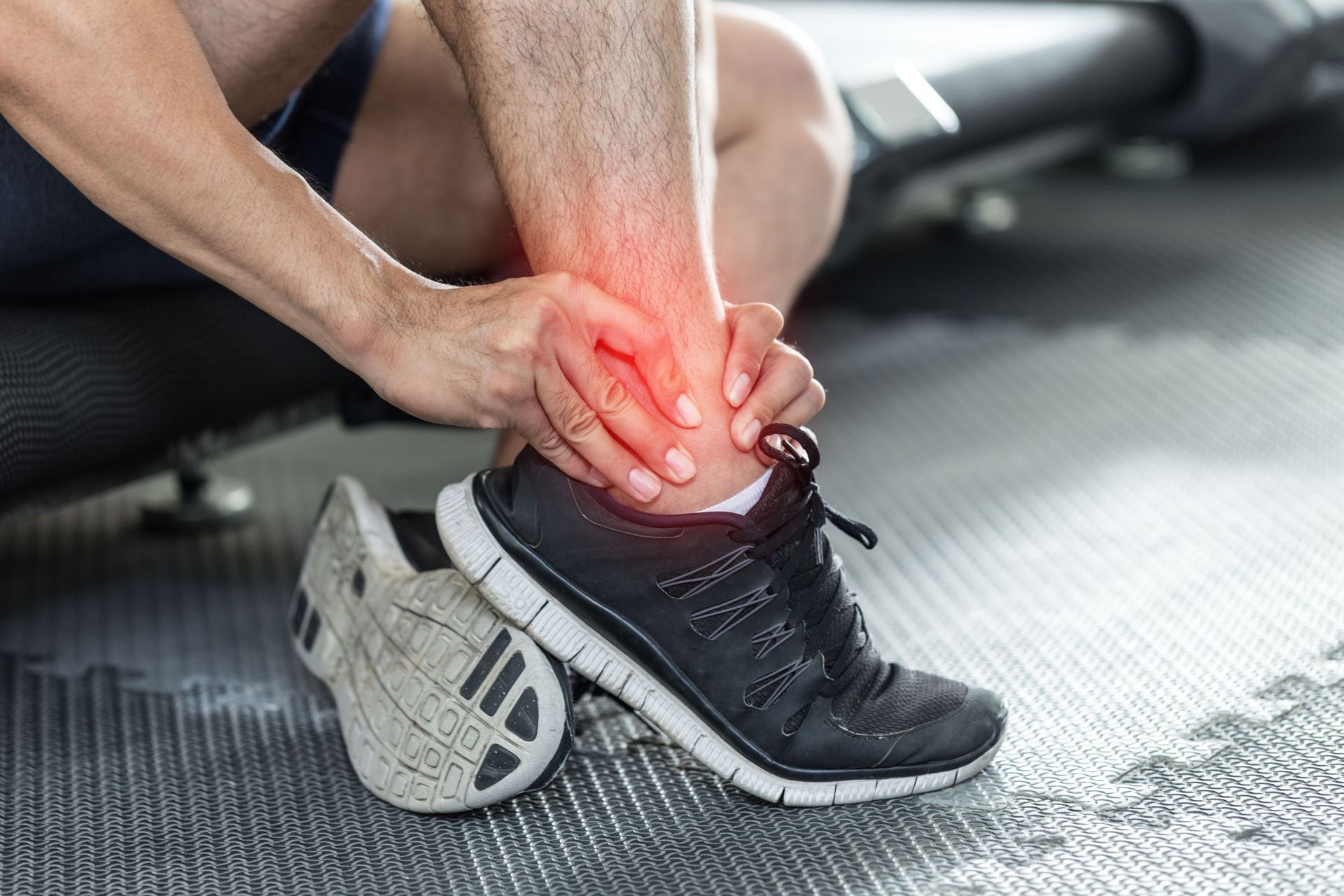
Physical therapy is instrumental in expediting recovery from various injuries. A tailored treatment plan can address specific areas affected by injury, promoting quicker healing. Therapists evaluate every patient rigorously to understand the extent and severity of the injury. This understanding is crucial in developing a personalized therapy plan that capitalizes on the body's natural healing process. Studies have shown that patients with individualized recovery strategies experience less pain and regain mobility faster.
1.2 Improved Mobility and Strength
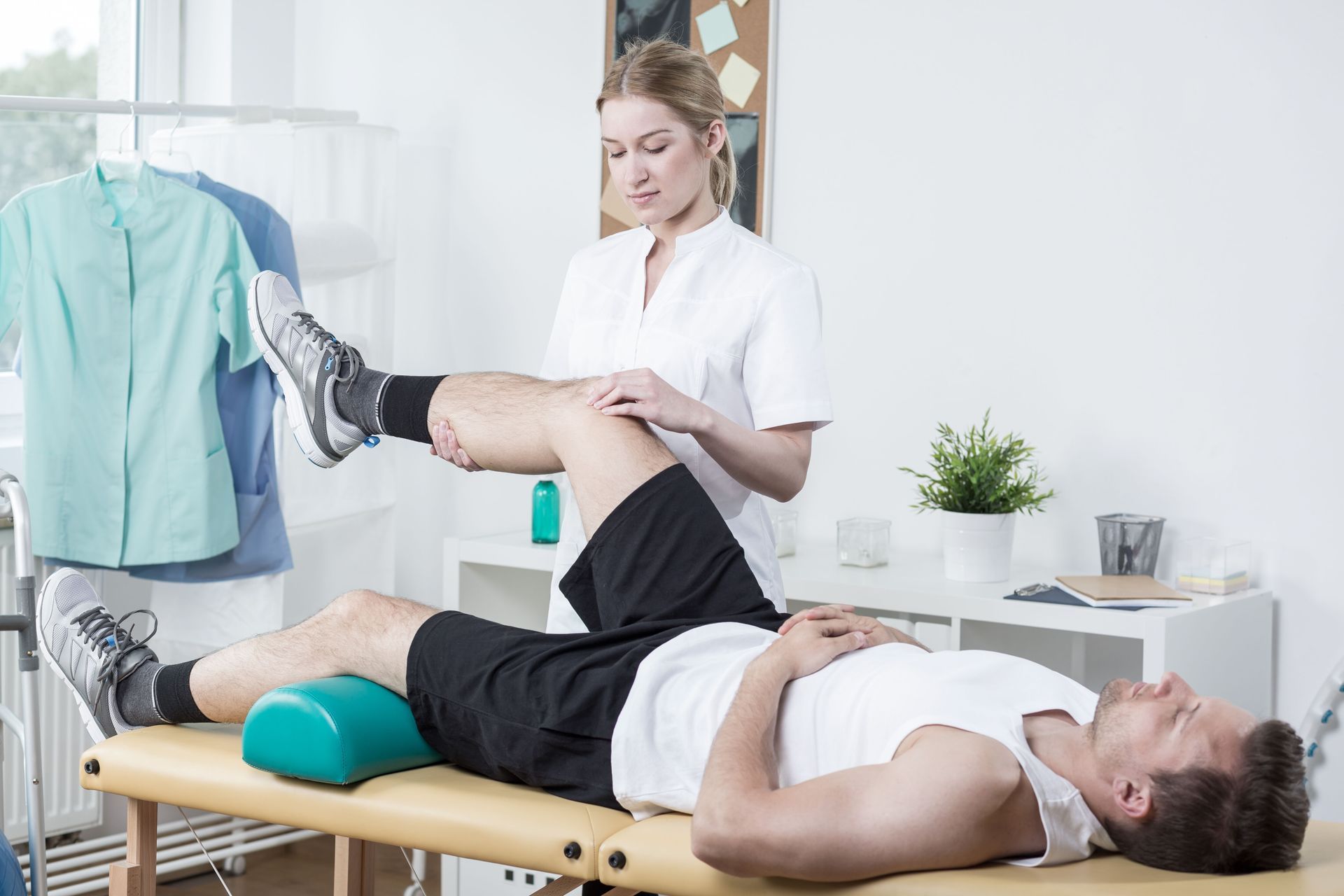
Post-injury, many individuals experience reduced mobility and strength in affected areas. Physical therapists employ targeted exercises and stretches to restore these functions. By consistently following prescribed exercises, patients can significantly enhance their range of motion. Additionally, strengthened muscles provide better support to injured areas, reducing the risk of further damage. The structured approach ensures each session builds upon the last for maximum recovery potential.
1.3 Pain Management Strategies
Injuries often come with their fair share of pain, which can hinder the recovery process. Physical therapists employ a variety of methodologies such as heat, ice, ultrasound, and electrical stimulation to manage pain. These non-invasive treatments are effective in reducing dependence on pain medications. The goal is to alleviate pain while promoting healing, allowing patients to engage more effectively in rehabilitation exercises. By following these strategies, individuals often find themselves experiencing reduced pain levels sooner than expected.
2. Manage Chronic Pain Effectively
2.1 Holistic Pain Assessment
Chronic pain is a persistent problem for millions worldwide, yet its sources can often be elusive. Physical therapists use thorough assessments to diagnose pain holistically. This involves understanding how lifestyle factors, physical conditioning, and psychological states contribute to ongoing pain. By treating the body as a whole rather than focusing solely on painful areas, therapy becomes far more effective.
2.2 Non-Invasive Treatment Options
Physical therapy provides a range of non-invasive methods to tackle chronic pain. Techniques such as manual therapy, hydrotherapy, and TENS units provide reliable pain relief. Patients frequently face concerns about becoming reliant on medication, making non-invasive therapy a welcome approach. Without the side effects of drugs or risks of surgery, patients experience the benefits of relief while maintaining control over their bodies. As a person adjusts to therapy, they discover sustainable methods for managing their condition.
3. Enhance Physical Performance
3.1 Tailored Exercise Programs
Optimizing athletic or functional performance requires a program specifically designed for an individual's goals and needs. Physical therapists conduct comprehensive assessments to determine the strengths and weaknesses of a person. By understanding this, they can devise a regimented program in line with personal objectives, whether athletic or daily functional improvement. Individuals receive individualized attention, ensuring exercises accurately target areas needing development. With a consistent focus, participants often exceed their initial physical capabilities.
3.2 Optimizing Muscular Function
Physical performance benefits greatly from muscular function optimization. Therapists prescribe exercises that target muscle groups essential for powering movement and sustaining endurance. Each session is crafted to increase muscle fiber engagement and response. Consistent effort leads to better muscle tone and increased strength, promoting efficient movement. This focused enhancement not only boosts performance but also plays a crucial role in maintaining physical health and capability.
3.3 Improving Flexibility and Balance
Fitness is more than strength; it encompasses flexibility and balance, contributing to fluid movement and reduced injury risks. Physical therapy provides structured flexibility exercises bolstering joint mobility. Balance training further supports stability, crucial for dynamic activities and movement transitions. Integrating these aspects ensures well-rounded advancements in physical capability.
4. Recover Post-Surgery with Confidence
4.1 Facilitating Faster Healing
Following surgery, physical therapy may significantly affect recovery speed and comprehensiveness. It involves exercises designed to accelerate the healing of soft tissue and regain function. Therapeutic activities and manual interventions help reduce inflammation and enhance circulation, expediting recovery. This strategic approach allows patients to regain strength and function promptly. Individuals experience reduced hospital stays and quicker returns to their daily routines.
4.2 Reducing Postoperative Complications
Post-surgical complications can include blood clots, infections, and reduced mobility, impacting recovery. Employing a structured physical therapy regimen minimizes these risks, making recovery smoother and safer. Specific exercises enhance circulation, reducing clotting risks and stagnation. Improved mobility also decreases respiratory complications often associated with prolonged inactivity. Consequently, patients encounter fewer setbacks, promoting a healthier recovery trajectory.
5. Improve Balance and Prevent Falls
5.1 Comprehensive Balance Assessments
Maintaining balance is essential for living an active and independent life, particularly for the elderly. Physical therapy provides extensive assessments to understand balance issues specifically. These assessments identify weaknesses in muscle groups and inconsistencies in movement patterns, elucidating causes of imbalance. Therapists use this information to design personalized intervention plans, tackling specific areas contributing to balance concerns. Addressing these fundamentals is vital for improving overall balance and stability.
5.2 Strengthening Core and Lower Limb Muscles
The core muscles play an essential role in maintaining stability and preventing falls by supporting the spine and aiding posture. Strength in the lower limbs ensures a sturdy foundation for standing and movement. Physical therapy incorporates exercises that focus on these muscle groups, fortifying protection against falls. By improving muscle tone and response, individuals experience increased stability, facilitating safer navigation in daily life. Stronger muscles contribute to overall physical resilience and performance in balance approaches.
5.3 Educating on Fall Prevention Techniques
Beyond physical strengthening, education on fall prevention is crucial for those at risk. Therapists provide practical guidance on modifying home environments and adjusting lifestyles to minimize fall likelihoods. Sessions include useful advice about correct footwear, adaptive aids, and ergonomics. The education extends to awareness of potential hazards, promoting proactive measures to avoid dangerous situations. Empowered with knowledge, individuals can effectively reduce their risk of falls.
6. Address Age-Related Issues
6.1 Managing Arthritis and Joint Pain
Age can bring about arthritic changes and joint pain, affecting daily activities and quality of life. Physical therapy is a powerful tool in managing these conditions through low-impact exercises crafted for therapeutic benefit. These exercises improve joint function, lessen stiffness, and reduce pain. Therapists design routines specific to the individual's condition, ensuring maximum engagement and benefit. Many find their ailments more manageable, reinforcing the positivity of active participation in their care plan.
6.2 Enhancing Overall Functional Independence
Maintaining functional independence is a primary concern as individuals age. By improving strength, mobility, and adaptability, patients find they need less assistance with routine tasks. Therapists educate clients on maintaining activity levels and cultivating health-promoting habits. According to Harvard Medical School, over 50 million Americans seek physical therapy each year, underscoring its pivotal role in enhancing life quality across various life stages.
Physical therapy provides numerous benefits that go beyond simple injury recovery. From enhancing physical performance to managing chronic pain and addressing age-related issues, physical therapy is a vital component of health maintenance and improvement. With expert guidance and customized care plans, individuals can experience significant improvements in quality of life and overall well-being. Recognizing these benefits helps foster a greater appreciation for this versatile therapy method. Whether you are recovering from an injury, managing a chronic condition, or looking to enhance your physical capabilities,
physical therapy offers effective solutions to improve your physical health and lifestyle quality. If you're looking for a reliable physical therapist, reach out to Physical Restoration & Sports Medicine today!