January 7, 2026
Physical rehabilitation is a transformative process designed to restore and enhance physical function, strength, and mobility. Individuals recovering from injuries, surgeries, or chronic conditions can regain independence and confidence through structured programs. Physical rehab not only addresses immediate concerns but also promotes long-term well-being. By participating in guided therapies, patients gradually rebuild their capabilities, improving overall quality of life. Engaging in physical rehab under professional supervision ensures safe, targeted interventions that support sustainable recovery.
Core Benefits and Who Can Benefit
Physical rehab provides benefits for a diverse range of patients. Athletes recovering from injuries use rehab to regain peak performance and safely return to sport. Older adults can maintain mobility and independence, while individuals managing chronic conditions like arthritis or stroke improve function and reduce pain. Pediatric rehab assists children in achieving developmental milestones, and cardiac rehab supports recovery from heart-related procedures. Each program is tailored to the unique needs of the individual, emphasizing functional recovery and prevention of further complications.
Physical rehab also plays a critical role in injury prevention and long-term wellness. By identifying muscle imbalances, joint weaknesses, or improper movement patterns, therapists can develop targeted interventions to reduce the risk of future injuries. This preventative approach is especially important for athletes, older adults, and individuals returning to physically demanding activities, as it enhances body mechanics and overall resilience. Incorporating corrective exercises and functional training into rehab programs not only supports recovery but also strengthens the body against potential setbacks.
In addition, physical rehab addresses pain management and quality-of-life improvements. Techniques such as manual therapy, therapeutic exercises, and modalities like heat, cold, or electrical stimulation help alleviate discomfort while promoting healing. Patients often experience increased confidence in performing daily activities, reduced reliance on medications, and greater independence in their routines. By combining physical recovery with pain reduction strategies, rehab provides a holistic approach that enhances both functional outcomes and overall well-being.
The Role of Rehabilitation Professionals
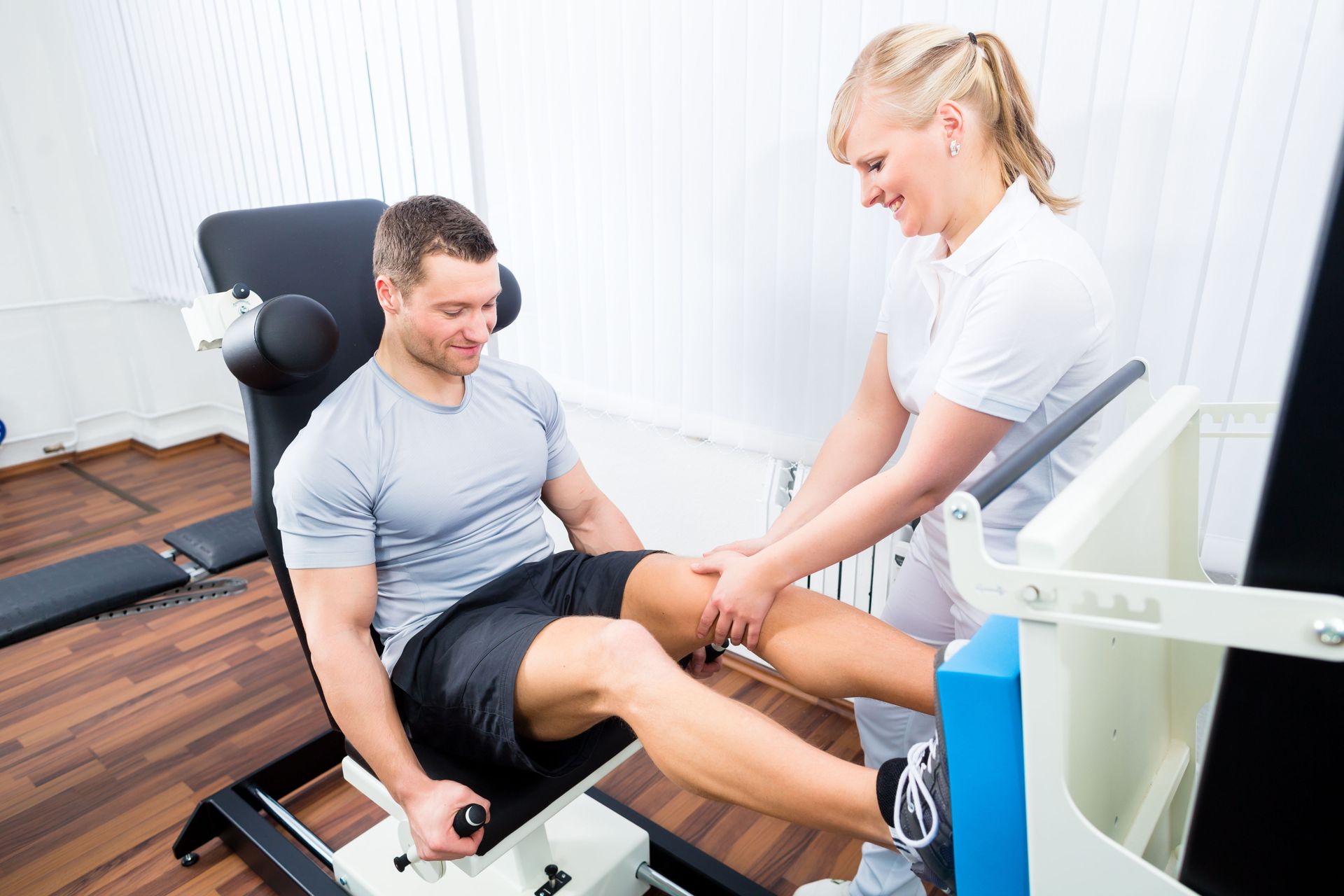
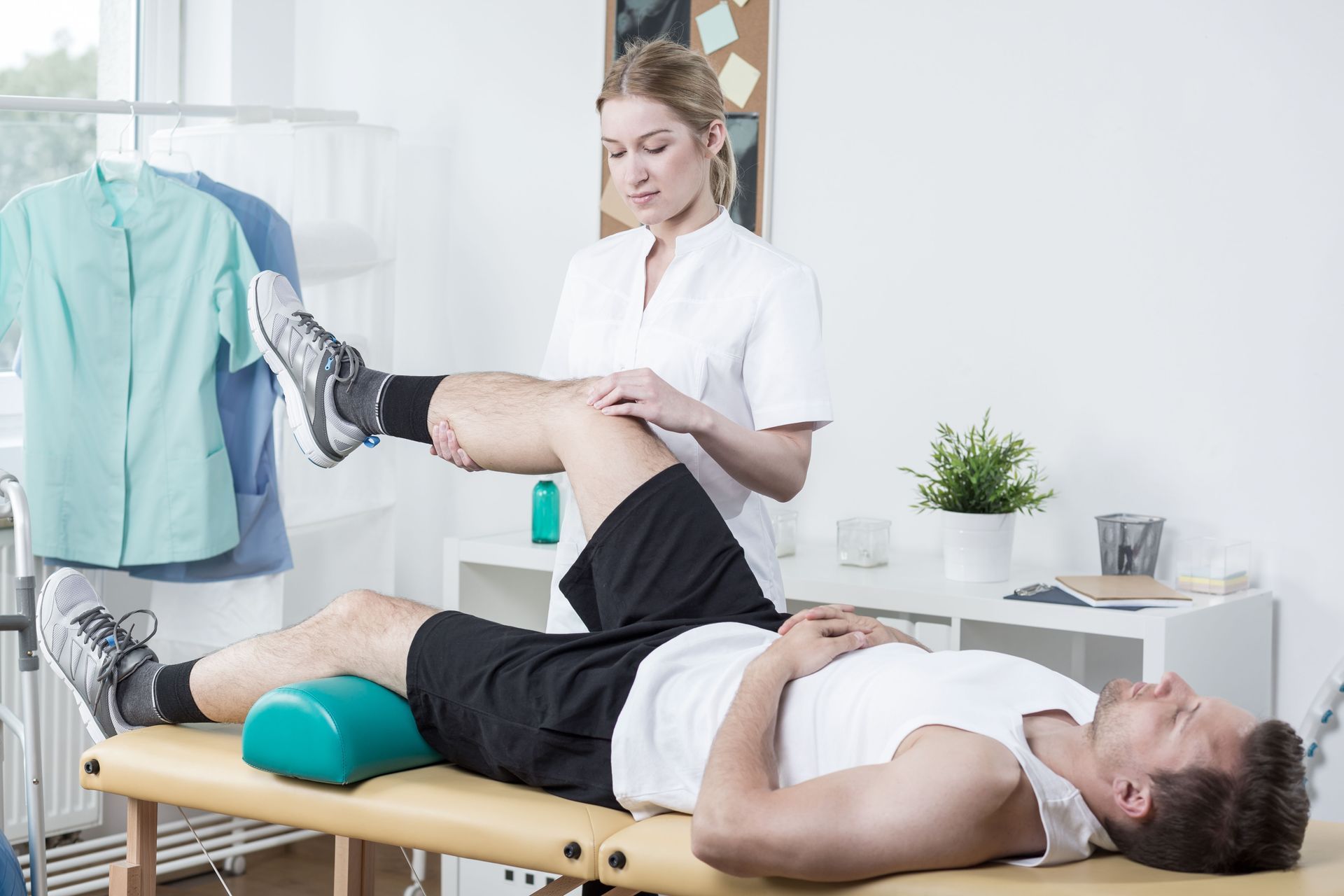
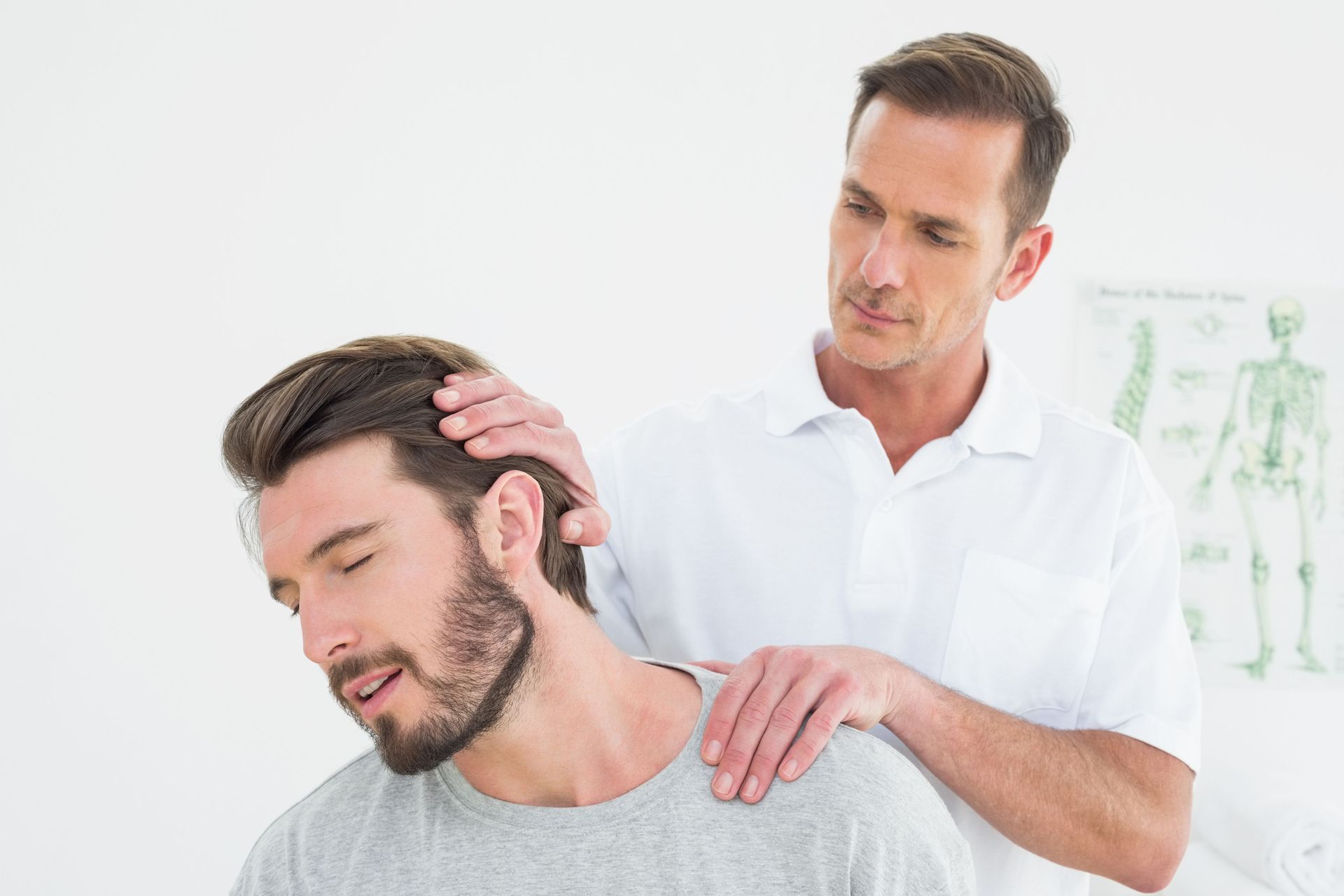
Skilled rehabilitation professionals, including physical and occupational therapists, are essential in guiding patients through recovery. They create personalized programs that address specific goals and limitations. Professionals monitor progress, modify exercises as needed, and provide education to empower patients in their recovery journey. By combining hands-on techniques with patient engagement, these experts maximize the effectiveness of physical rehab. According to CDC.gov, early intervention in rehab programs significantly improves outcomes for individuals recovering from musculoskeletal and neurological conditions.
Rehabilitation professionals also emphasize the importance of building a strong foundation before progressing to more advanced exercises. By assessing a patient’s baseline strength, flexibility, and endurance, therapists can design a gradual, safe progression that minimizes the risk of re-injury. This stepwise approach ensures that patients develop the necessary physical capacity to handle more challenging movements while reinforcing proper mechanics. It also instills confidence, as patients can clearly see their progress and understand the rationale behind each stage of their physical rehab program.
Furthermore, rehab professionals address the psychological and motivational aspects of recovery. Many patients experience frustration, anxiety, or fear after an injury or surgery, which can hinder progress. Therapists provide encouragement, set achievable milestones, and teach coping strategies to maintain motivation throughout the rehabilitation process. By fostering a supportive environment and emphasizing patient education, professionals help individuals stay engaged and committed, ultimately enhancing the effectiveness and sustainability of physical rehab outcomes.
Strength Training and Mobility Exercises
Strength training is a cornerstone of physical rehab, aiding in rebuilding muscle mass, enhancing joint support, and preventing injuries. Resistance exercises, including bodyweight, bands, or weights, help improve coordination, endurance, and overall function. Balancing strength work with flexibility and mobility exercises, such as stretching, yoga, and Pilates, ensures a full range of motion and prevents stiffness. Joint stabilization and low-impact aerobic activities further enhance mobility and cardiovascular health. Together, these exercises create a comprehensive approach that supports sustainable functional improvement.
Progressive strength training is essential in physical rehab to ensure continuous improvement and avoid plateaus. Gradually increasing resistance, intensity, or complexity of exercises challenges muscles and promotes growth while respecting individual limitations. Incorporating compound movements, like squats, lunges, and push-ups, engages multiple muscle groups simultaneously, maximizing efficiency and functional carryover to daily activities. Consistent progression also helps rebuild confidence in physical abilities, empowering patients to regain independence and perform tasks safely.
In addition to strength, mobility and flexibility work remain vital for optimal recovery. Targeted stretching, dynamic movements, and proprioceptive exercises enhance joint range of motion and reduce muscle tightness, preventing compensatory patterns that could lead to injury. Integrating balance and coordination drills, such as stability ball exercises or agility routines, further refines neuromuscular control. By combining strength, mobility, and balance training, physical rehab programs provide a holistic approach that restores function, reduces pain, and supports long-term physical health.
Progress Tracking and Goal Setting
Setting realistic and attainable goals is critical in physical rehab. Patients and therapists work together to define short-term and long-term objectives, such as increased strength, improved mobility, or reduced pain. Progress is tracked through milestones, enabling patients to see tangible results and stay motivated. Continuous assessment allows for modifications, ensuring the rehab plan remains aligned with evolving needs. Wearable devices and digital tools provide real-time feedback, enhancing engagement and adherence. Goal-setting and monitoring are essential for achieving optimal outcomes in physical rehab programs.
Understanding individual limitations and potentials is a key part of goal-setting in physical rehab. Therapists assess a patient’s current capabilities, medical history, and physical restrictions to create a safe yet challenging plan. Recognizing these boundaries prevents overexertion or injury while encouraging steady progress. Patients learn to appreciate incremental improvements, building confidence and fostering a positive mindset that reinforces long-term commitment to their rehabilitation journey.
Incorporating personalized strategies into goal-setting further enhances outcomes. Each patient’s plan may include specific exercises, therapy sessions, and lifestyle modifications tailored to their needs. Progress is measured not only by physical achievements but also by improvements in daily functional activities, such as walking, climbing stairs, or performing work-related tasks. By focusing on meaningful, individualized goals, physical rehab becomes more relevant and motivating, ultimately supporting sustainable recovery and improved quality of life.
Technology in Modern Physical Rehab
Advances in technology have revolutionized physical rehab, making it more personalized and accessible. Wearable sensors track activity and movement, providing therapists with valuable data to tailor interventions. Virtual rehab platforms allow patients to complete guided exercises remotely, while telehealth offers real-time consultations and monitoring. Apps and digital tools help patients log progress and maintain engagement. These innovations expand access, improve adherence, and optimize outcomes, supporting patients in achieving meaningful, sustainable recovery through physical rehab.
Long-Term Maintenance and Support
Sustaining progress requires integrating rehab practices into daily life and adopting healthy lifestyle habits. Consistent physical activity, balanced nutrition, stress management, and adequate sleep are foundational for long-term results. Community support networks, group activities, and wellness programs offer motivation and accountability, reinforcing adherence. Addressing psychological aspects of healing, such as resilience and mental health, ensures holistic recovery. By embedding rehab principles into everyday routines, individuals maintain strength, mobility, and overall wellness, reducing the risk of setbacks.
Physical rehabilitation plays a vital role in restoring strength, mobility, and independence, improving quality of life for individuals recovering from injuries or managing chronic conditions. By combining targeted exercises, goal-setting, and modern technology, patients achieve meaningful, lasting results. For those seeking expert guidance and comprehensive care, Physical Restoration & Sports Medicine provides tailored physical rehab programs designed to optimize recovery and enhance overall health. Schedule your appointment today to begin your journey toward strength, mobility, and long-term well-being.