January 6, 2026
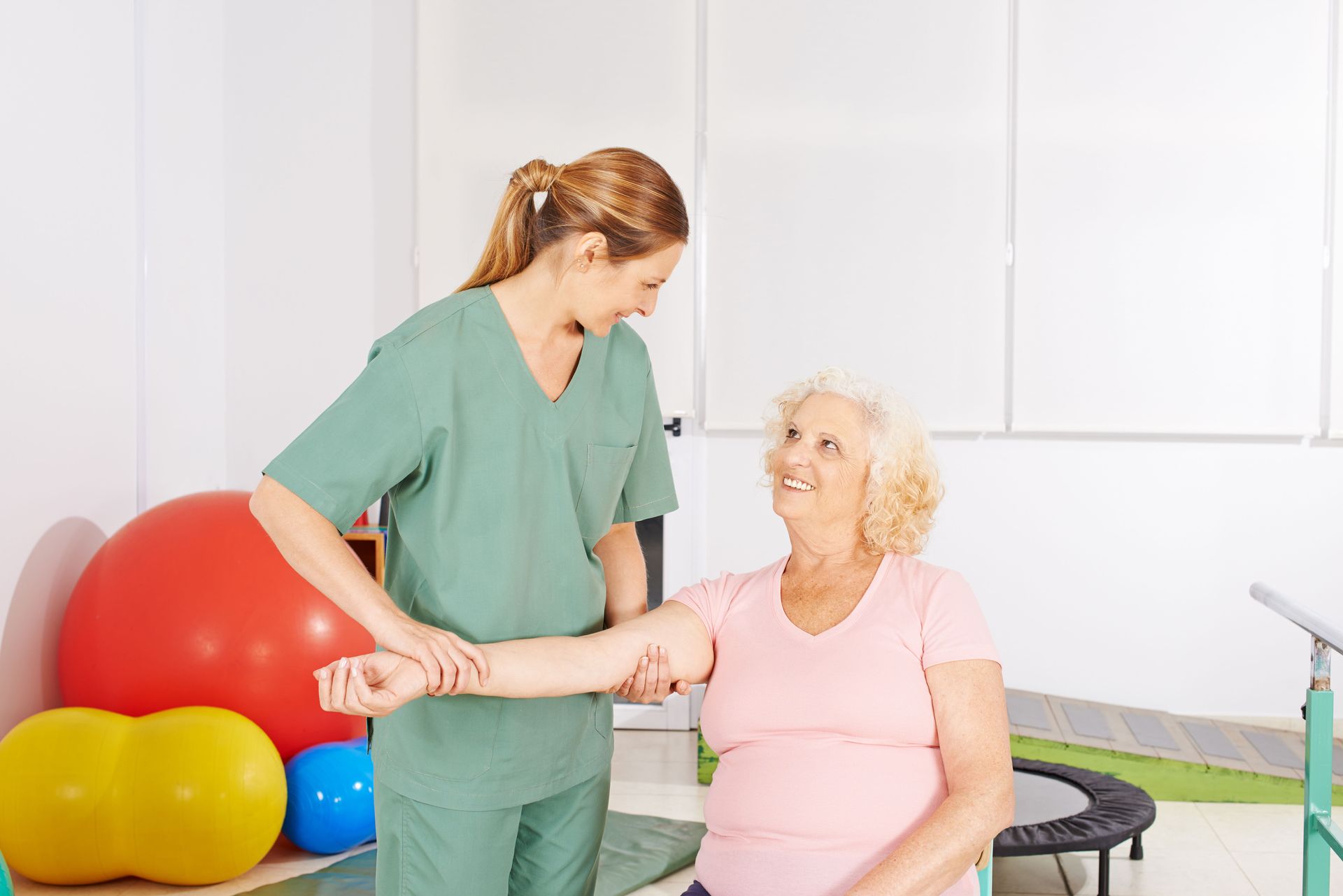
In recent years, physical therapy has become a cornerstone of healthy aging for baby boomers who want to stay active, independent, and confident in their daily lives.This generation is now navigating joint changes, muscle loss, and recovery times that look very different than they did decades ago. At the same time, many baby boomers are more proactive than ever about managing their health and avoiding unnecessary medications or surgeries. According to Harvard Medical School, over 50 million Americans seek physical therapy each year, underscoring just how essential these services have become across age groups. For older adults in particular, therapy offers a structured, science-backed way to remain mobile, reduce pain, and continue doing the things they love—without feeling like life suddenly came with a warning label. It also provides reassurance that aging does not have to mean slowing down or giving up independence. With the right guidance and support, many baby boomers discover they can move better now than they did years earlier.
Enhancing Mobility And Flexibility
Maintaining mobility is one of the most important factors in preserving independence as people age. When movement becomes limited, everyday tasks like walking the dog, climbing stairs, or even getting out of a chair can feel daunting. Physical therapy focuses on improving joint function, muscle elasticity, and movement efficiency so baby boomers can continue moving with confidence. Through guided sessions, older adults often notice smoother motion, less stiffness, and greater endurance during daily activities. These gains directly support independence and reduce reliance on others for basic tasks.
Flexibility plays a critical role in keeping the body moving comfortably and safely. Therapists use targeted stretching methods, controlled movements, and gentle resistance techniques to address tight muscles and aging joints. Over time, these approaches help reduce strain on surrounding tissues and improve overall posture. Increased flexibility also lowers the risk of sudden injuries caused by awkward movements or muscle imbalances. For many baby boomers, this renewed ease of movement feels like getting a small but meaningful piece of youth back.
Managing Pain Without Overreliance On Medication
Chronic pain is one of the most common challenges baby boomers face, often stemming from arthritis, back conditions, or old injuries that never fully healed. While medications can offer temporary relief, they may also bring unwanted side effects or long-term concerns. Physical therapy provides a more sustainable approach by addressing the root causes of pain rather than simply masking symptoms. Treatment plans often focus on strengthening weak areas, improving alignment, and restoring natural movement patterns. This approach helps reduce discomfort while supporting overall health.
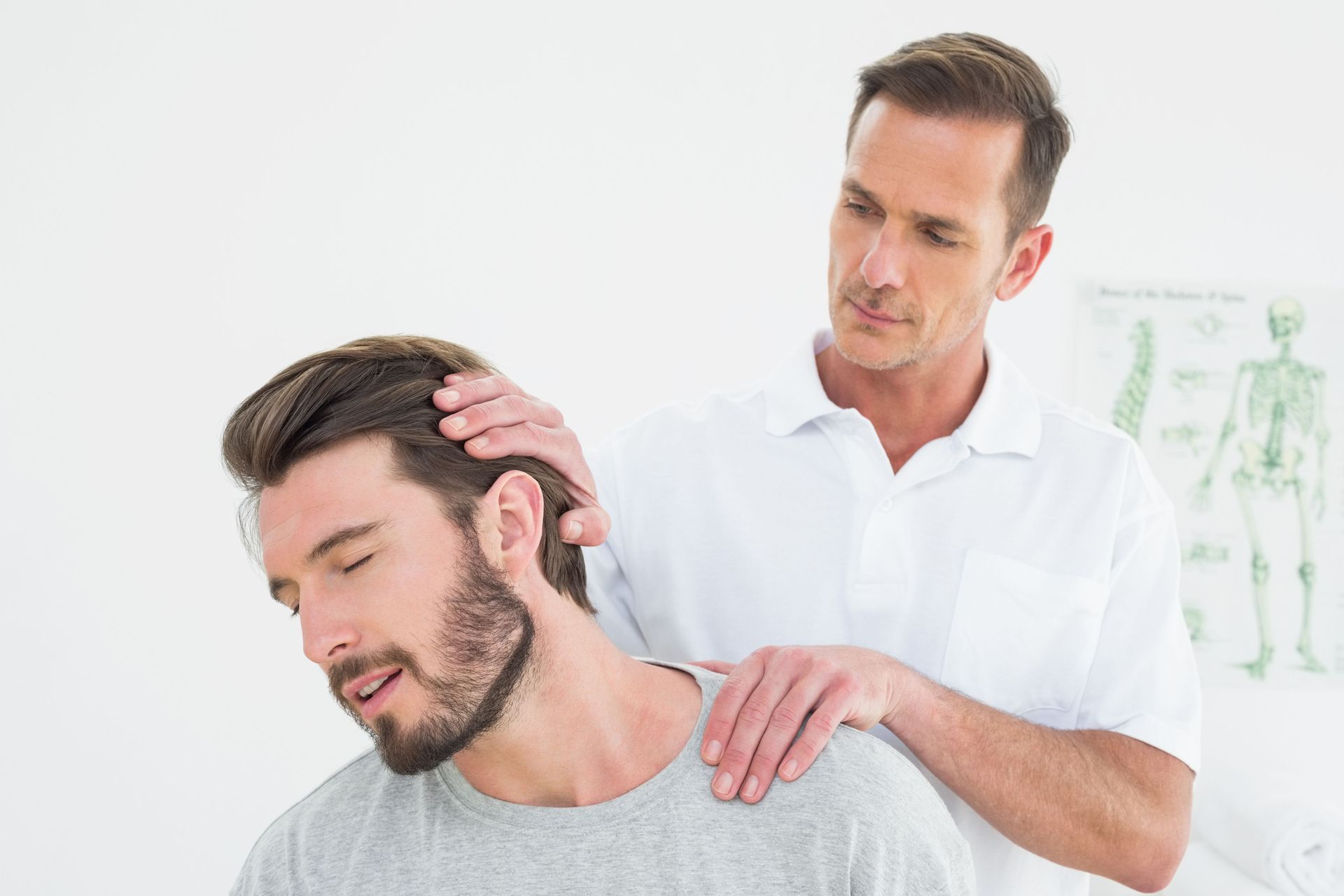
Therapists use a combination of hands-on techniques and guided exercises to help manage pain effectively. Manual therapy can ease muscle tension, while movement-based strategies improve circulation and joint lubrication. Over time, patients often experience fewer flare-ups and greater control over their symptoms. Many baby boomers appreciate that this approach empowers them to actively participate in their own pain management. That sense of control can be just as valuable as the physical relief itself.
Preventing Falls And Reducing Injury Risks
Falls remain a serious concern for older adults, often leading to injuries that significantly impact quality of life. Balance, coordination, and muscle strength naturally decline with age, making fall prevention a top priority. Physical therapy addresses these risks through targeted balance training and strength-building exercises. These programs help improve stability and reaction time, which are critical for navigating uneven surfaces or unexpected obstacles. Even small improvements can make a meaningful difference in daily safety.
In addition to exercise-based strategies, therapists often provide practical guidance on environmental safety. Recommendations may include improving lighting, removing tripping hazards, or adjusting daily routines to reduce risk. Strengthening the legs and core further supports balance and stability during movement. Over time, many baby boomers report feeling more confident walking outdoors or moving through busy environments. That renewed confidence often leads to a more active and engaged lifestyle.
Supporting Post-Surgical Recovery
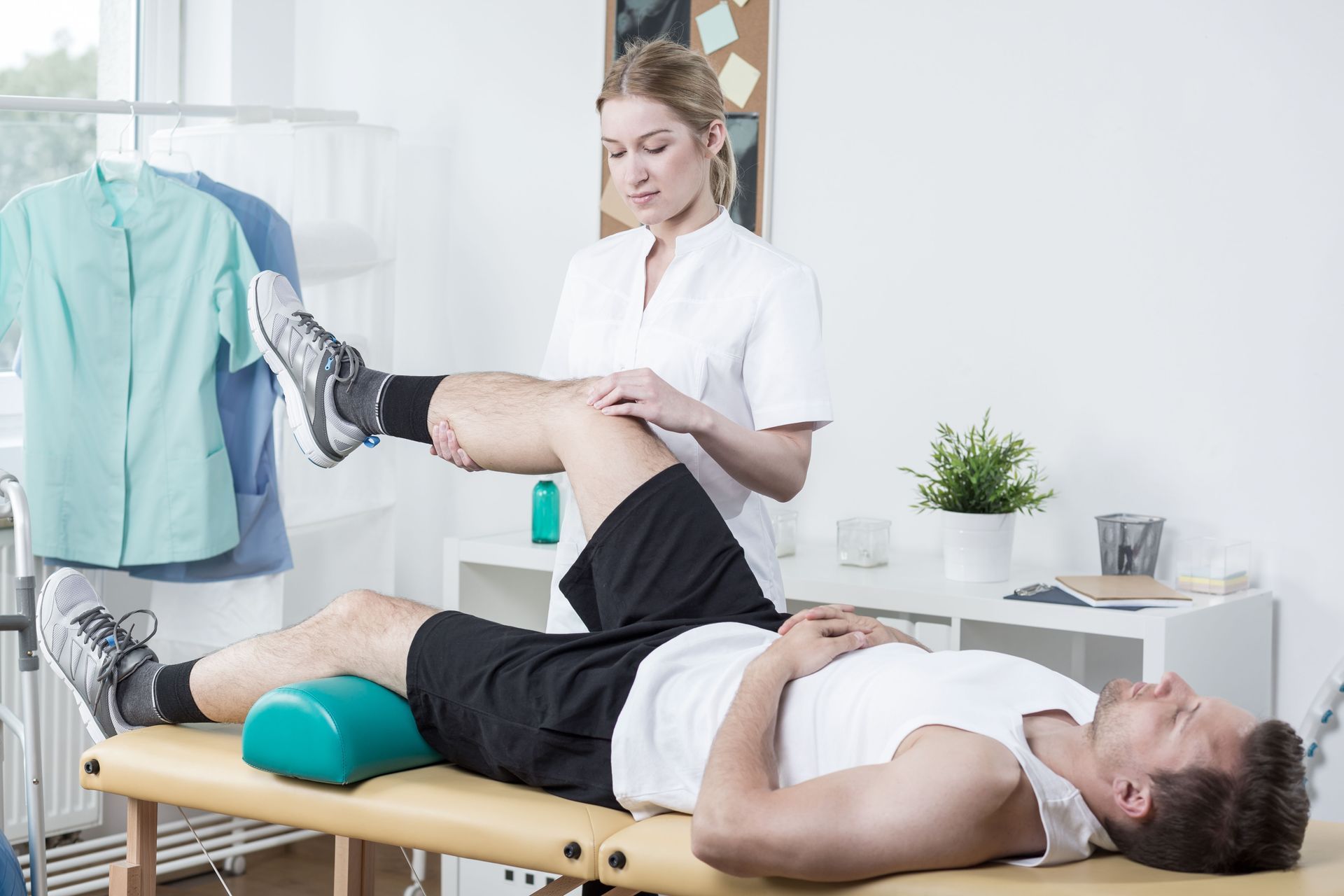
Surgery can be especially challenging for older adults, as recovery times tend to be longer and complications more common. Physical therapy plays a critical role in post-surgical rehabilitation by promoting safe movement and preventing stiffness. Early, guided activity helps restore circulation and reduce scar tissue formation. This structured approach supports healing while minimizing setbacks during recovery. For many baby boomers, therapy is the bridge between surgery and a return to normal life.
Personalized recovery plans are essential during this stage. Therapists tailor exercises to the individual’s procedure, health history, and personal goals. These plans often focus on restoring strength, flexibility, and functional movement in a gradual, controlled way. Patients benefit from professional oversight that ensures progress without overexertion. The result is often a smoother recovery and a quicker return to independence.
Strengthening Mental Health And Emotional Well-Being
Physical health and mental well-being are deeply connected, especially as people age. Regular movement has been shown to improve mood, reduce stress, and support cognitive function. Physical therapy incorporates structured activity that encourages consistency, which is key for mental health benefits. Many baby boomers report feeling more energized and positive after sessions. That boost often carries over into other areas of life, including sleep and social engagement.
Therapy sessions also provide routine and social interaction, which can help combat isolation. Group-based exercises or regular appointments create opportunities for connection and encouragement. Mindfulness techniques, breathing exercises, and gentle movement further support emotional balance. Over time, these combined benefits contribute to greater resilience and a more optimistic outlook. For many older adults, improved mental well-being becomes one of the most surprising advantages of therapy.
Improving Quality Of Life And Independence
Quality of life is about more than just physical ability—it’s about freedom, confidence, and participation in meaningful activities. Physical therapy helps baby boomers maintain the strength and coordination needed for everyday tasks. From carrying groceries to enjoying hobbies, these functional improvements support independence. Small gains in strength and balance often translate into big improvements in daily comfort. This progress allows older adults to stay engaged in the lives they value.
Programs are carefully tailored to individual needs, ensuring that therapy feels relevant and achievable. Therapists assess goals, limitations, and preferences to create realistic plans. This personalized approach increases motivation and long-term success. Many baby boomers find that therapy helps them not just maintain, but actively improve their lifestyle. Independence becomes something they protect rather than something they fear losing. Over time, these customized plans evolve as strength and confidence improve, allowing progress to continue without plateaus. Patients often feel more invested because they can clearly see how each exercise connects to real-life activities they care about. That sense of purpose turns therapy from a short-term obligation into a sustainable part of healthy aging.
As baby boomers continue to prioritize healthy aging,
physical therapy remains one of the most effective tools for preserving mobility, managing pain, and supporting overall well-being. With nearly four decades of experience, Physical Restoration & Sports Medicine is proud to serve Sterling, VA, and surrounding areas with comprehensive care that supports recovery, wellness over age 60, sports medicine, and work-related injury rehabilitation. We believe in helping our patients move better, feel stronger, and live more confidently at every stage of life. If you’re ready to take a proactive step toward lasting health and independence, our team is here to guide you every step of the way.