March 5, 2026
Physical therapy is a vital pillar of modern healthcare, dedicated to restoring function and enhancing the quality of life through expert physical intervention. It offers a diverse range of health benefits that address both preventative care and complex rehabilitation needs. By focusing on the body's natural ability to heal and adapt, this specialized field supports patients in achieving sustainable wellness. This article explores the numerous ways in which physical therapy enhances overall health and well-being, providing a holistic alternative to more invasive treatments. We will examine its role in boosting mobility, accelerating recovery from various injuries, managing age-related conditions, and supporting mental health. Ultimately, engaging with a professional therapist represents a proactive commitment to long-term vitality and physical independence.
Improving Mobility and Joint Flexibility
One of the primary goals of physical therapy is to enhance a patient's range of motion by focusing on specific exercises designed to increase joint flexibility. These movements are often customized to the individual's unique physiological needs, making the sessions highly effective. Improved flexibility not only aids in the recovery process but also serves as a critical defense against potential future injuries. Regular stretching and targeted clinical exercises can significantly improve the overall function of weight-bearing joints. As an essential solution in physical therapy, increased flexibility serves as the primary gateway to heightened mobility and easier movement in daily life.
Managing Chronic Pain Effectively
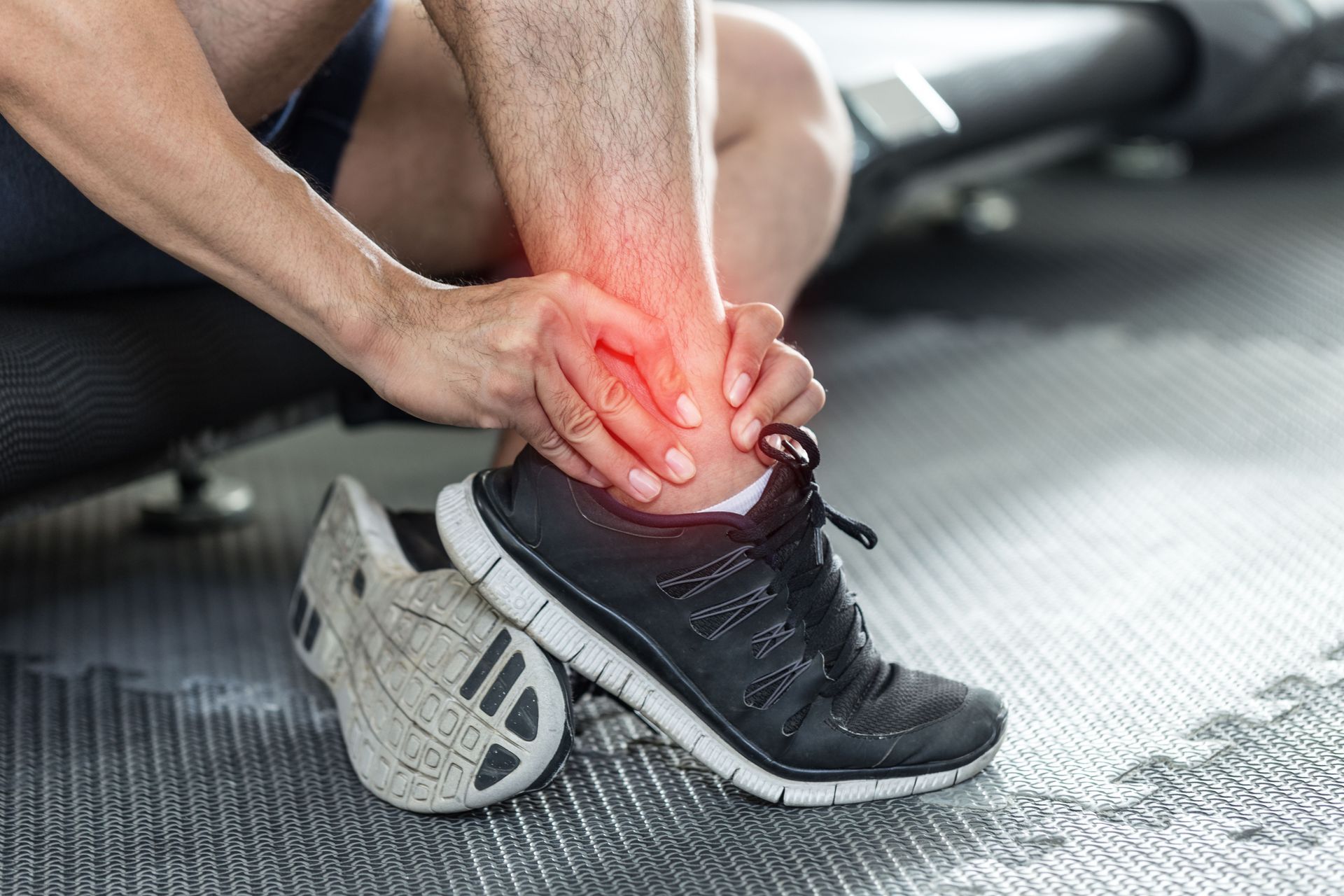
Many individuals suffer from persistent chronic pain that can severely hinder their ability to perform simple daily activities. Physical therapy offers a natural and evidence-based option to manage this pain by targeting muscle tension and joint stiffness at the source. Specialized techniques such as manual therapy, electrical stimulation, and corrective exercises are utilized to relieve stress on the body. This therapeutic approach empowers individuals to reduce their dependency on over-the-counter or prescription medications. Consequently, physical therapy becomes an essential element for those seeking lasting relief from persistent physical discomfort without the side effects of drugs.
Developing Personalized Treatment Plans
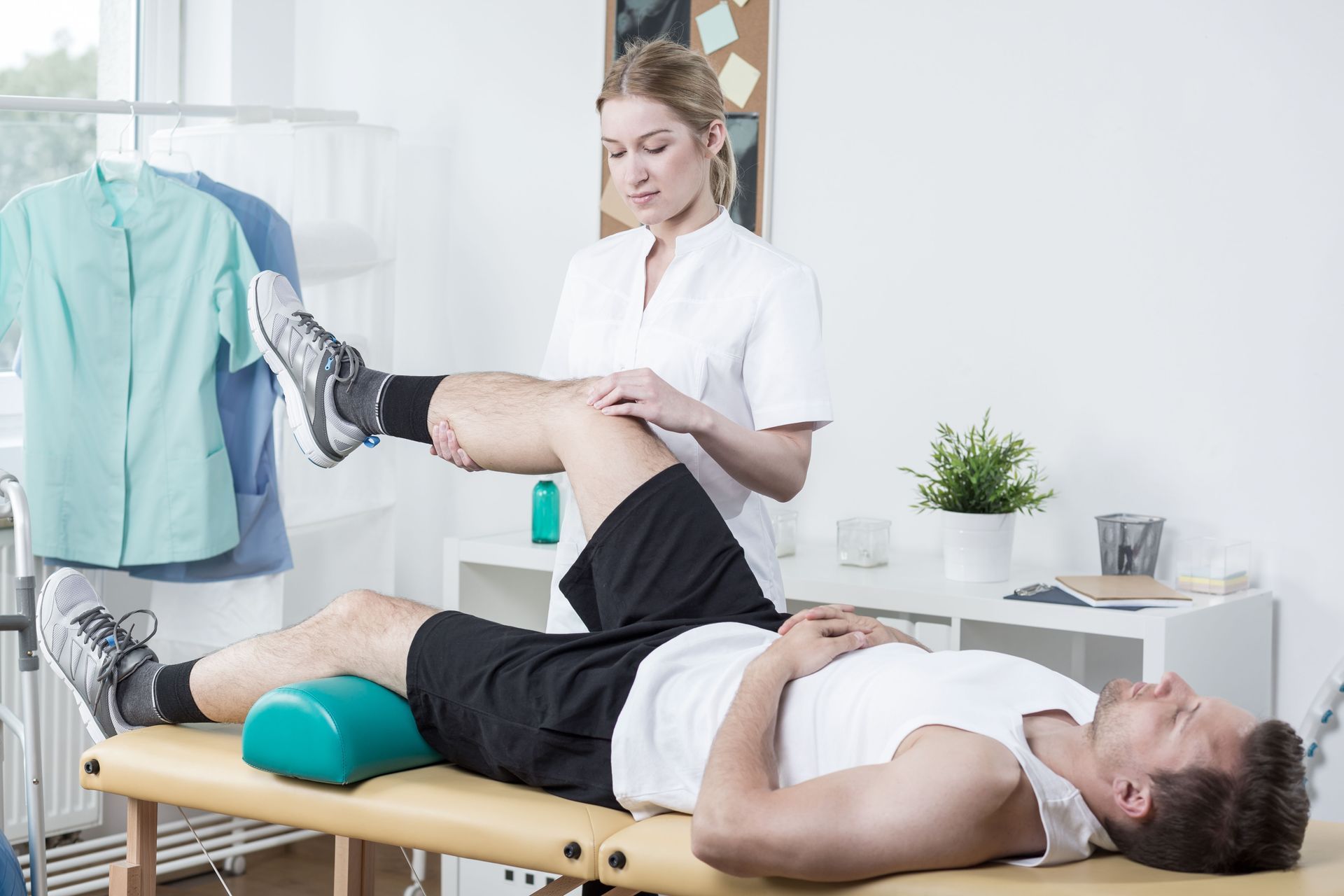
A significant advantage of professional physical therapy is the creation of personalized exercise plans tailored to address specific mobility issues. These tailored routines cater to the individual's current physical abilities and long-term goals, making the recovery process more personal and efficient. These plans often involve movements that can be safely performed at home to ensure continuity of care between clinical visits. This level of customization allows patients to work toward milestones that are both achievable and relevant to their specific lifestyle needs. This individualized attention promotes self-sufficiency and gives patients the confidence to manage their health conditions independently.
Preventing Injuries Before They Occur
Physical therapy is not solely about healing existing wounds; it plays a crucial role in proactive injury prevention. By improving core strength and flexibility through regular clinical exercises, individuals become far less susceptible to sudden strains or accidents. Professional therapists educate patients about proper body mechanics and encourage routines that enhance balance and coordination during physical activity. Strengthened muscles and a healthy range of motion contribute significantly to reduced risks of ligament tears or muscle pulls. Incorporating physical therapy into a regular wellness routine can serve as a powerful preventive measure for athletes and active individuals alike.
Supporting Health in Aging Populations
As individuals age, maintaining consistent mobility becomes increasingly challenging due to natural physiological changes. Physical therapy provides older adults with the essential tools needed to combat the declines in physical function often tied to the aging process. Therapeutic exercises are specifically designed to augment muscle strength, preserve joint mobility, and improve steady balance. This dedication to movement preservation helps seniors maintain their independence and significantly improves their overall quality of life. Physical therapy offers a strategic, low-impact approach to preserving the health and skeletal integrity of the aging population in our communities.
Facilitating Post-Operative Rehabilitation
After undergoing a surgical procedure, the human body requires meticulous, expert care to begin the healing process effectively. Physical therapy is integral in post-operative rehabilitation, focusing on gradual exercises that expedite tissue recovery and restore function. Specialized techniques are employed to safely restore strength and joint functionality without compromising surgical sites. By engaging in a structured physical therapy program, patients frequently experience a much swifter return to their normal professional and social activities. This stage of recovery underlines the critical importance of professional therapeutic interventions in the weeks following a major surgery.
Restoring Function for Daily Activities
Recovering from a significant injury can be a daunting journey that impacts an individual's ability to manage even the most basic everyday tasks. Physical therapy aids this process by breaking down physical barriers through structured, goal-oriented interventions. The strategic exercises introduced during therapy sessions are specifically aimed at rebuilding the necessary motor skills for daily life. Patients are taught to perform standard activities in ways that prevent sudden pain and protect the body from further injury. This methodical approach helps in resuming a standard lifestyle with regained strength and full physical functionality.
Harnessing the Body's Natural Healing
Professional physical therapy facilitates the body's natural healing mechanisms, promoting a state of sustainable self-healing. Through modalities like controlled stretching, aerobic conditioning, and progressive strengthening, the natural recovery rate is significantly boosted. These therapies help energize blood flow, nourish recovering muscles, and assist the body in repairing damaged soft tissue. By focusing on these natural biological processes, the need for invasive treatments and heavy medications can be minimized over time. Ultimately, physical therapy stands as a quintessentially natural and effective path to healing after an acute or chronic injury.
Promoting Mental Resilience and Wellness
The journey of physical recovery from a serious injury can profoundly affect an individual's mental health and emotional outlook. According to Newsweek, reported figures regarding the success of physical therapy have been consistently encouraging, with positive outcomes occurring at a frequency between 68 percent and 72 percent. This high level of efficacy plays a pivotal role in cultivating mental resilience and optimism, which in turn fosters improved mood and motivation. Engaging in regular therapy can also reduce feelings of anxiety that often accompany physical limitations. Thus, physical therapy is more than just a tool for the body; it is a cornerstone for mental support during the recovery process.
Managing Arthritis and Joint Health
Living with arthritis can be a debilitating experience, causing chronic joint pain and significant morning stiffness. Physical therapy alleviates such symptoms using specialized exercises that focus on maintaining joint movement and building supporting muscle strength. The primary objective is to enhance joint function while systematically reducing daily discomfort. Incorporating low-impact stretching and strengthening into a physical therapy routine can empower patients to take control of their arthritis symptoms. These clinical improvements result in better joint coordination, reduced systemic pain, and a much-enhanced quality of life for those with chronic conditions.
Improving Sleep Quality and Rest
Quality sleep is fundamental to good health and effective daily functioning, yet it is often disrupted by physical pain or inactivity. By promoting regular, structured physical activity, physical therapy improves natural sleep patterns and overall restfulness. Physical exertion during clinical exercises leads to more profound sleep cycles, helping to decrease the prevalence of common sleep disorders. Better sleep contributes to an improved mood, sharper cognitive function, and a stronger immune system. Through these positive impacts on rest, physical therapy addresses a holistic aspect of health that benefits every system in the body.
Physical therapy plays a vital role in promoting health, from acute injury rehabilitation to the management of chronic conditions. By enhancing mobility, supporting mental resilience, aiding in post-surgical recovery, and educating patients on their own bodies, it offers comprehensive benefits that lead to a better quality of life. Embracing the expertise of a professional therapist is a proactive step toward achieving and maintaining optimal health. With consistent data backing its efficacy, individuals are encouraged to leverage this multifaceted approach to live a more active and pain-free life. If you are ready to start your journey toward better movement and health, contact Physical Restoration & Sports Medicine.