April 6, 2026
Physical rehabilitation services play a powerful role in maintaining and improving your everyday quality of life. Whether you're recovering from an injury, managing chronic pain, or simply aiming to move and feel better, rehab services offer structured support to help you function at your best. More than just exercise, physical rehabilitation is a personalized process that evaluates your unique needs, challenges, and goals. By combining targeted therapies with a whole-body approach, it not only restores strength and mobility but also supports long-term health and wellness. Understanding its full impact reveals why physical rehab should be an essential part of a well-rounded daily routine. With consistent participation, individuals often experience increased energy levels and improved overall performance in daily activities. Over time, these benefits can lead to greater independence and a more active, fulfilling lifestyle.
Restore Strength and Improve Physical Function
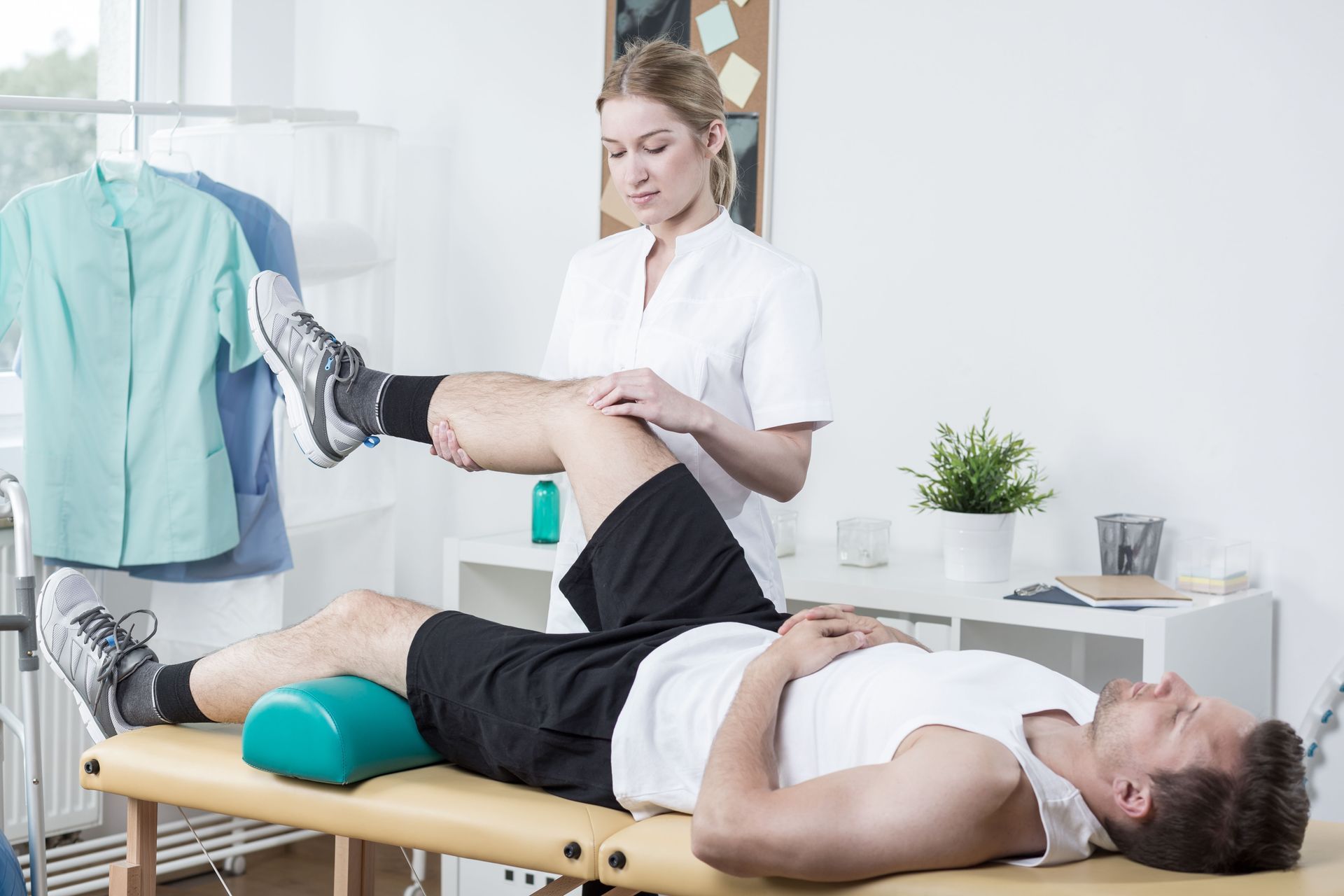
Physical rehabilitation services can profoundly impact your physical health. By focusing on a mix of targeted exercises and therapeutic techniques, it aids in restoring strength, balance, and endurance. For individuals who have experienced injury or surgery, these rehab services become an integral part of recovery. The hallmark of successful physical rehab is its ability to help patients regain independence and perform daily activities with ease.
The cornerstone of physical health improvements through rehabilitation is its personalized nature. Each program is tailored to the unique requirements of the individual, ensuring the most efficient pathway to recovery. This specificity is coupled with the guidance of trained professionals who monitor progress and adapt programs as needed. This customized care is a testament to the effectiveness of physical rehabilitation services in enhancing physical well-being.
Moreover, physical rehabilitation is proactive in preventing further physical health decline. By correcting movement patterns and improving musculoskeletal functions, it reduces the risk of re-injury. This proactive approach ensures that individuals not only recover but also build resilience against future health issues. Therapists play a critical role in educating patients on the sustainability of good practices in personal health maintenance.
Boost Mental Health and Emotional Well-Being
Physical rehabilitation services extend beyond physical health; they significantly benefit mental health as well. Engaging in consistent physical activities can lead to better mood regulation and decreased symptoms of anxiety and depression. The structured nature of rehab programs provides a sense of purpose, which can be very motivating for patients. Mental clarity and boosted self-esteem are additional benefits, fostering an overall healthier mindset.
Social interactions within physical rehabilitation programs are another avenue for mental health improvements. Group therapy sessions and patient-therapist relationships can provide valuable social support, reducing feelings of isolation. It creates a community of encouragement and shared goals, vital for mental well-being. Through these beneficial interactions, many patients find a renewed sense of belonging and cooperative spirit.
Additionally, setting and achieving goals in physical rehab can significantly impact psychological health. Successes in rehab translate to increased confidence and achievement motivation. These positive psychological shifts often spur further dedication to health and lifestyle improvements. Ultimately, the mental health benefits of these rehabilitation services create a powerful synergy, enhancing both mind and body well-being.
Prevent Injuries and Build Long-Term Resilience
An underrated yet crucial aspect of physical rehabilitation is its role in preventing future injuries. According to Mastermind Behavior, an online physical therapy statistics resource, over 50 million Americans seek physical therapy services each year, highlighting the significance of this field. Physical therapy techniques often teach individuals how to move correctly, thereby reducing undue stress on joints and muscles. Proper guidance and corrective exercises instill better movement habits that can last a lifetime.
Additionally, physical rehabilitation involves education on ergonomic practices and awareness of body mechanics. Knowledge of how to lift, walk, and even sleep properly plays a significant role in injury prevention. By ingraining these habits, individuals can approach everyday tasks with minimized risk. Through regular engagement in rehabilitation services, enhanced body awareness becomes second nature.
Beyond immediate injury prevention, physical rehabilitation provides strategies for managing chronic conditions that could lead to further injuries. For those with recurring injuries or arthritis, rehab includes tactics to strengthen vulnerable areas of the body. These targeted actions empower patients to manage their conditions effectively, ensuring long-term health maintenance. Preventative care through rehab services offers sustainable health benefits that last well beyond the sessions themselves.
Increase Mobility and Enhance Flexibility
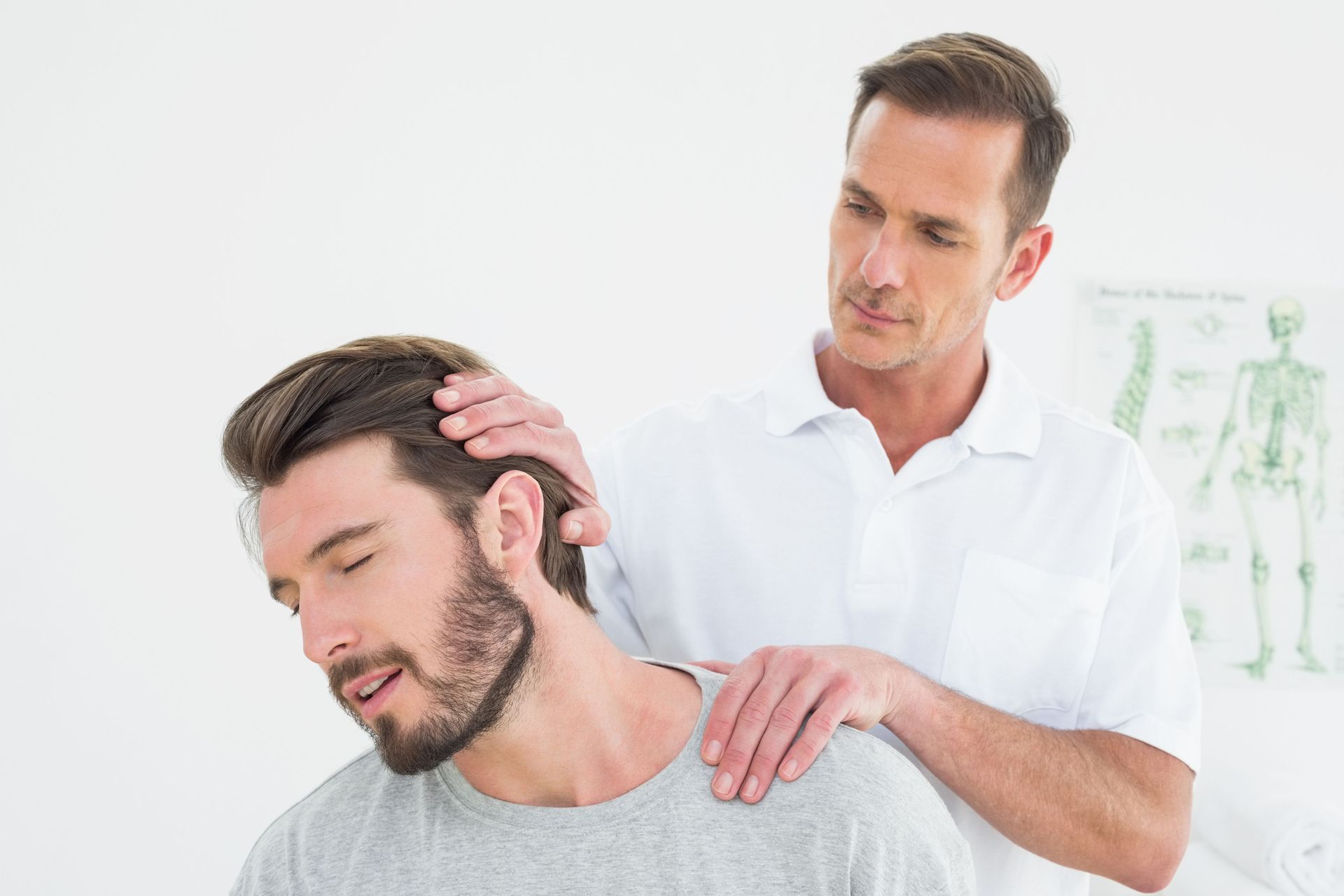
Enhanced mobility and flexibility are fundamental goals of physical rehabilitation services. Mobility is essential for autonomy and ease of movement in daily life. Rehab programs incorporate specific exercises that increase the range of motion and improve joint flexibility, crucial for long-term health. These improvements impact not only daily activities but also open up more advanced physical opportunities.
Flexibility training helps reduce stiffness and improve balance, which are vital in preventing falls and injuries. A flexible body is less susceptible to strains, making physical activities more efficient and enjoyable. Through gradual, progressive techniques, rehab services enhance flexibility, allowing for a greater range of activities. By prioritizing mobility and flexibility, individuals can pursue an active, engaged lifestyle.
For those with previous injuries, mobility regained through rehab is especially impactful. It transforms limitations into new capabilities, fostering a proactive approach to life. Consistent improvement in flexibility acts as a buffer against the natural aging process, keeping individuals vibrant and active. By integrating flexibility and mobility exercises into daily routines, long-term health benefits become a tangible reality.
Elevate Quality of Life and Promote Independence
The overarching theme of physical rehabilitation is its ability to enhance the overall quality of life. Beyond individual health benefits, rehab provides a sense of empowerment and control over one's health journey. By actively participating in recovery or preventive measures, individuals build confidence to engage with life more fully. Physical rehab becomes a catalyst for embracing wellness in its entirety.
Moreover, the holistic approach of physical rehabilitation services touches multiple facets of a person's life, including social and emotional well-being. Notably, improved physical health can lead to more social activity, fostering deeper community ties and relationships. These aspects contribute to a fuller, more satisfying lifestyle. By engaging with these services, individuals can experience a profound transformation, both internally and externally.
Finally, the promotion of independence through enhanced functionality and reduced pain results in an unparalleled improvement in life quality. This autonomy translates to better leisure experiences, more meaningful connections, and an opportunity to pursue desires unfettered by physical limitations. Physical rehabilitation empowers individuals to rise beyond their current capabilities, establishing a foundation for lifelong fulfillment and health.
Physical rehabilitation services are more than a recovery tool—it’s a proactive approach to living a healthier, more capable life. From improving mobility and preventing injuries to enhancing mental well-being and independence, its benefits extend far beyond the treatment room. By making rehab a consistent part of your routine, you invest in your long-term health, resilience, and overall quality of life. As more individuals recognize its value, physical rehabilitation continues to stand out as a vital component of modern wellness. Embracing it today can lead to a stronger, more confident, and more active tomorrow. Taking the first step toward rehabilitation can make a meaningful difference in how you feel each day. With the right guidance and commitment, lasting improvements are well within reach. Reach out to Physical Restoration & Sports Medicine to learn more about our services today.